The Mastitis Challenge

The most costly
disease in dairy
production

Mastitis drives milk loss, treatment costs, antibiotic pressure, and chronic herd setbacks. In modern programs, adjunct prevention, early-detection, and support strategies are increasingly essential for sustainable udder health outcomes.

Animal WelfareMilk Quality & YieldMarket Economics
Clinical + Subclinical Burden
Visible cases plus silent subclinical mastitis that reduces yield and raises SCC.
Milk Quality Pressure
High SCC and discarded milk reduce premiums and disrupt supply chain consistency.
Economic Drag
Yield loss, labor, vet costs, recurrence, and culling risk compound into major losses.

Educational only. Diagnosis and treatment decisions should be made with a qualified veterinarian.

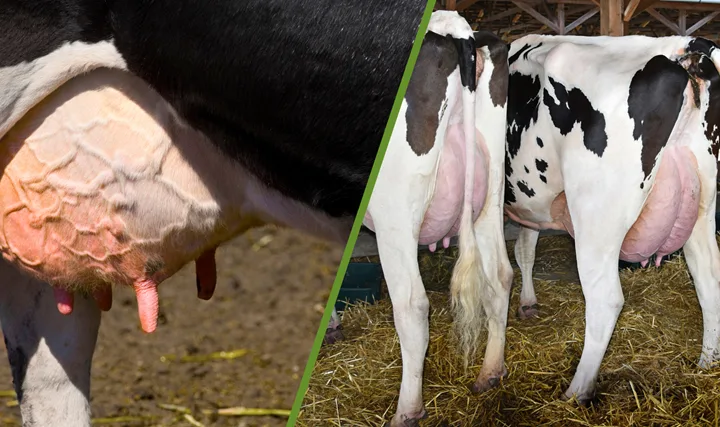
Cow udder mastitis veterinary
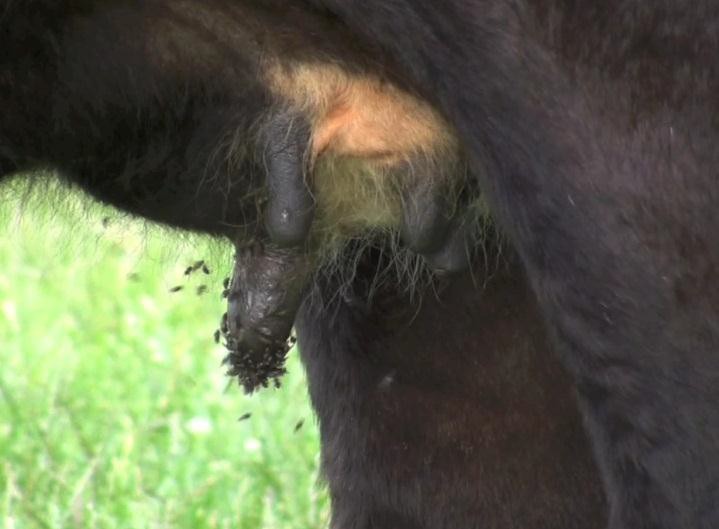
Buffalo udder close-up
Buffalo Udder
Cow udder side view
Cow Udder View
Dairy cow full body
Dairy Cow
Herd of cows
Dairy Herd

What is mastitis?

Mastitis is inflammation of the udder tissue, triggered by bacteria entering through the teat canal. It presents as either clinical mastitis (visible signs) or subclinical mastitis — no obvious signs, but measurable yield loss and elevated somatic cell count.

Type 01
Clinical Mastitis — Visible
  • Abnormal milk (clots, flakes, watery) and reduced yield
  • Swollen, painful, hot quarter or udder
  • Fever, reduced appetite, dehydration in severe cases
  • Requires rapid veterinary evaluation to reduce complications
Type 02
Subclinical Mastitis — Hidden
  • No obvious milk or udder change in many cases
  • Elevated SCC, lower milk quality and processing performance
  • Often drives recurrence and chronic udder damage over time
  • Detected via SCC trends, California Mastitis Test, or culture programs

What causes it — and how farms respond

Many bacteria can cause mastitis. Contagious pathogens spread cow-to-cow during milking; environmental pathogens come from bedding, manure, mud, and hygiene gaps. Risk increases with poor teat-end condition, milking machine issues, and immune stress around calving.

Contagious bacteriaEnvironmental pathogensTeat-end damageCalving immune stressEquipment hygiene

High-performing farms add adjunct protocol checks — equipment audits, bedding management, SCC trend monitoring — to reduce avoidable risk and catch subclinical cases before they escalate into costly clinical events.

Cows grazing
Herd Welfare
Modern dairy
Modern Dairy
Research
Research & Testing

A welfare problem as much as a production problem

Pain, inflammation, and systemic illness reduce feeding, resting, and overall condition. Repeated infections may cause lasting udder tissue damage, lower lifetime productivity, and higher culling risk.

01
Pain & Behavioral Change
Pain and discomfort alter feeding behavior and reduce dry matter intake, creating secondary productivity losses.
02
Udder Function Impairment
Inflammation affects secretory tissue and milk synthesis efficiency — some damage is permanent after severe cases.
03
Recurrence & Chronicity
Underlying pathogens or predisposing factors drive repeat infections, compounding costs and welfare burden.
04
Systemic Severity Risk
Severe cases become systemic — affecting the whole animal and requiring intensive, urgent veterinary intervention.
Dairy herd
Prevention-first mindset

How high-performing farms think about prevention

Mastitis prevention is a systems challenge: milking hygiene, bedding management, teat-end condition scoring, machine performance audits, and early detection programs all work together.

These routines are increasingly supplemented with adjunct monitoring steps and protocol checklists — standardizing good practice across the herd and making outcomes more consistent.

Early detection + consistent protocols = lower losses and more stable milk output.

Multi-layered costs that compound across the herd

Mastitis is widely recognized as one of the most expensive dairy diseases because its costs are layered: yield loss, discarded milk, labor, treatment, recurrence management, quality penalties, and culling.

01
Milk Yield Loss
Immediate production drops during infection plus longer-term drag on per-cow output across the lactation.
02
Quality Penalties & Discards
High SCC triggers processor penalties. Withdrawal periods reduce saleable volume and revenue per cow.
03
Recurrence & Culling
Repeated infections raise lifetime treatment costs and increase risk of premature culling of high-value animals.

Why the market is shifting

Dairy systems worldwide are under pressure to reduce avoidable antibiotic use while maintaining udder health, milk quality, and productivity. Buyers, processors, and regulators demand solutions that are practical on-farm and credible under evidence-based review.

Adjunct prevention, monitoring, and support programs are becoming part of routine herd health operations — and the demand for clinically validated adjunct products is growing.

Antibiotic stewardshipSupply chain pressureEvidence-based buyersAdjunct protocols

Why LactoVance
focuses here

Mastitis is a high-pain, high-cost problem with a clear need for better outcomes. The opportunity is anchored in a real farm need, a massive installed base of dairy herds, and a direct link to milk quality economics. That's why MastisGUARD™ is being built with a clinical validation pathway and adjunct protocols designed for real farm workflows.

Protocol management
Protocol Management
Vet analysis
Vet Analysis
Investment
Commercial Scale
Clinical trials
Clinical Evidence

Ready to explore the
MastisGUARD™ solution?

See how we're positioning a clinically validated, adjunct-pathway product to address the mastitis challenge at scale — with evidence, practicality, and commercial ambition.